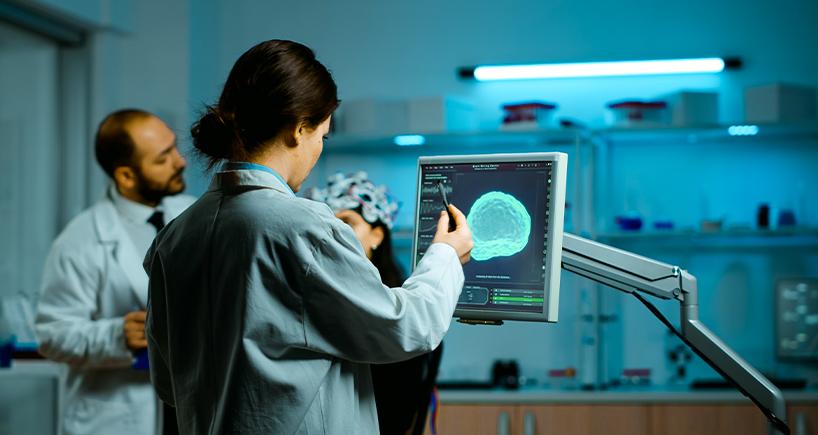
Artificial Intelligence (AI) is rapidly reshaping the medical landscape, offering faster, more accurate diagnoses and personalized treatment plans. AI-powered imaging tools can now detect diseases such as cancer, heart conditions, and neurological disorders earlier than traditional methods, often spotting patterns invisible to the human eye.
Beyond diagnostics, AI is improving hospital efficiency. Predictive analytics help manage patient flow, reduce wait times, and anticipate complications before they become critical. Virtual health assistants and chatbots also support patients by answering medical questions, scheduling appointments, and monitoring symptoms remotely.
As AI continues to evolve, its integration into healthcare promises better outcomes, reduced costs, and more patient-centered care—making medicine smarter and more proactive than ever before.