
General Health Healthcare

Wearable Medical Devices and the Rise of Preventive Care

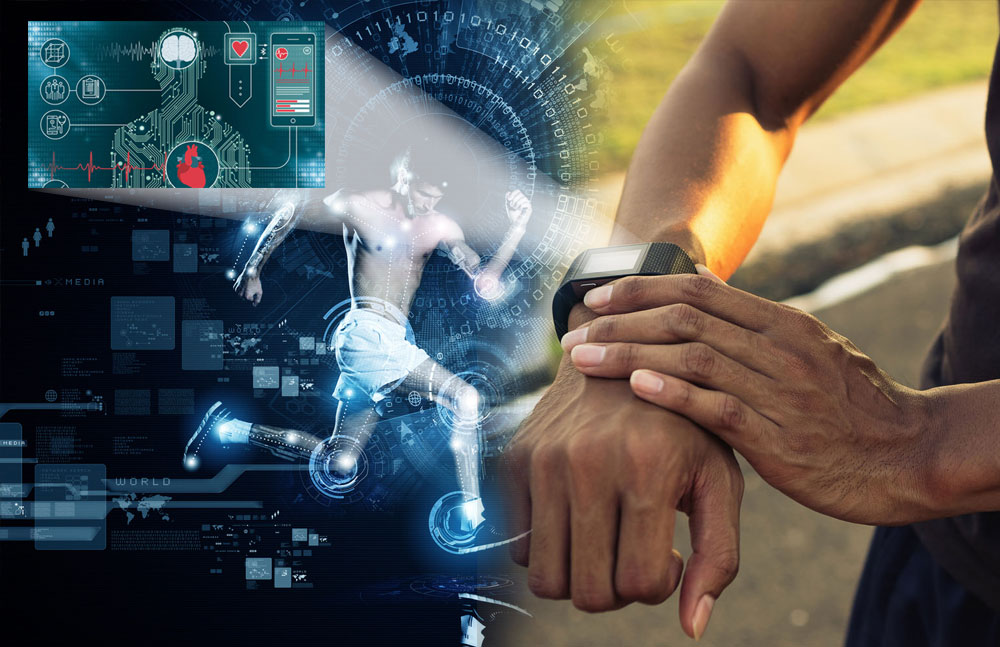
Wearable medical technology has shifted healthcare from reactive to preventive. Devices such as smartwatches, glucose monitors, and heart-rate trackers allow continuous monitoring of vital signs, giving both patients and doctors real-time insights into health conditions.

These devices empower individuals to take control of their well-being by tracking physical activity, sleep quality, and irregular heart rhythms. For patients with chronic illnesses, wearables reduce the need for frequent hospital visits while ensuring constant oversight.

As wearable technology becomes more accurate and affordable, it plays a crucial role in early detection, long-term disease management, and healthier lifestyles worldwide.

General Health Healthcare

Telemedicine and Remote Care : The Future of Patient Access

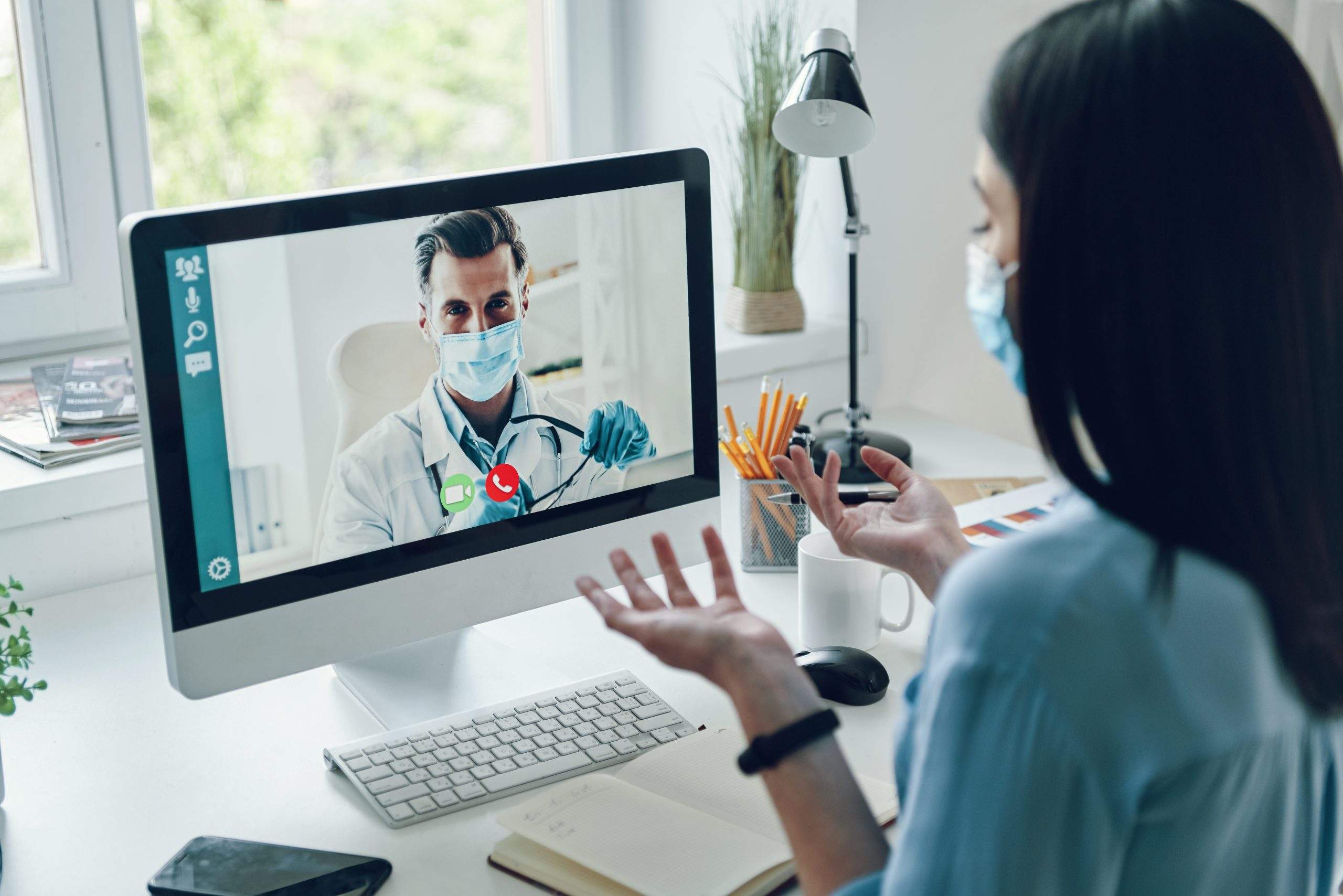
Telemedicine has revolutionized healthcare accessibility by allowing patients to consult doctors without leaving their homes. Video consultations, remote diagnostics, and digital prescriptions have become essential tools, especially for rural communities and individuals with limited mobility.

Remote care technologies also help hospitals reduce overcrowding while maintaining high-quality treatment. Patients benefit from faster consultations, lower costs, and consistent follow-ups—all without geographic barriers.

With continued improvements in internet connectivity and digital platforms, telemedicine is set to remain a cornerstone of modern healthcare, delivering convenience without compromising quality.

General Healthcare

How Artificial Intelligence Is Transforming Modern Healthcare

Artificial Intelligence (AI) is rapidly reshaping the medical landscape, offering faster, more accurate diagnoses and personalized treatment plans. AI-powered imaging tools can now detect diseases such as cancer, heart conditions, and neurological disorders earlier than traditional methods, often spotting patterns invisible to the human eye.

Beyond diagnostics, AI is improving hospital efficiency. Predictive analytics help manage patient flow, reduce wait times, and anticipate complications before they become critical. Virtual health assistants and chatbots also support patients by answering medical questions, scheduling appointments, and monitoring symptoms remotely.

As AI continues to evolve, its integration into healthcare promises better outcomes, reduced costs, and more patient-centered care—making medicine smarter and more proactive than ever before.

Posts pagination